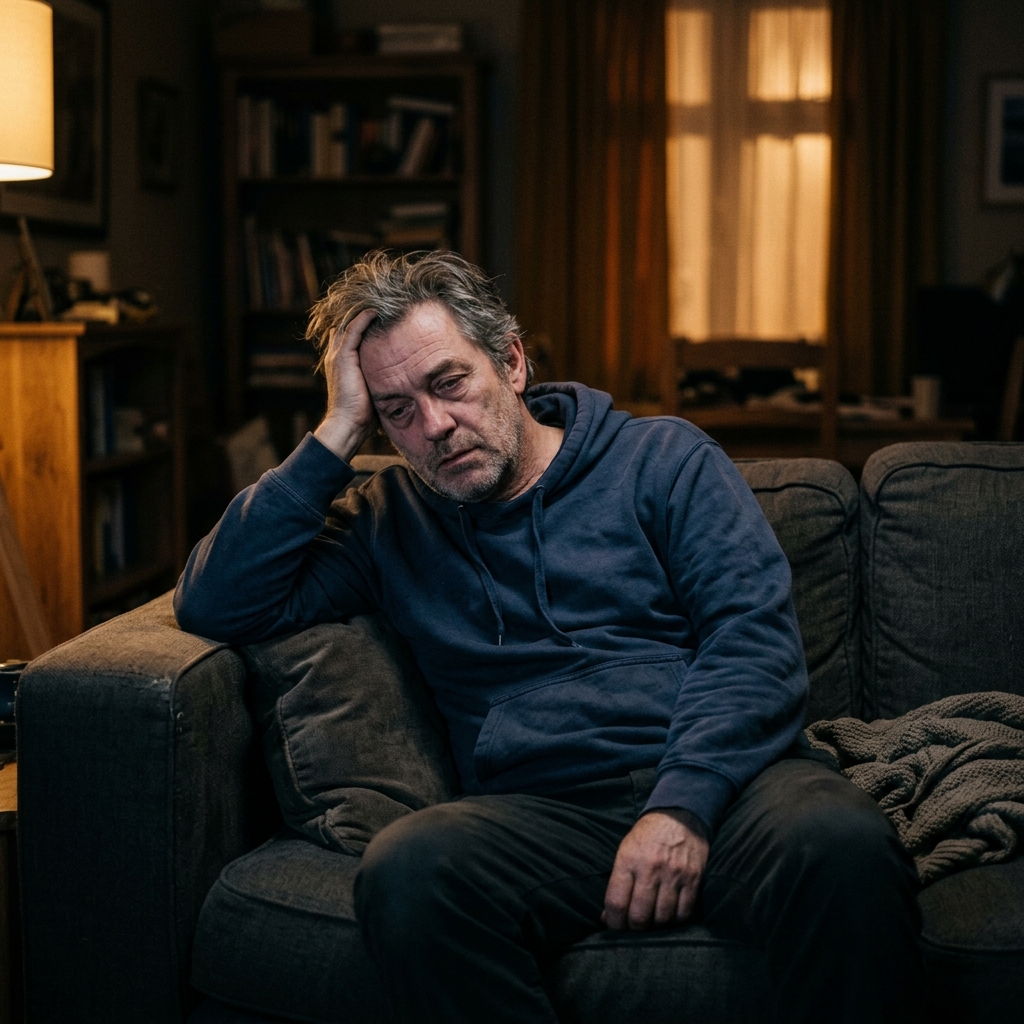
If you've crossed the threshold of 40 and find yourself constantly asking, "Why do I feel tired all the time?", you are not alone. Millions of men experience a significant drop in their energy levels as they enter their fourth decade. It's not just "getting older" or being lazy; there are fundamental biological shifts happening within your body that directly impact your daily vitality.
In this article, we'll break down the scientific reasons behind low energy after 40 in males and explore actionable, natural strategies to help you get your edge back.
1. The Gradual Decline of Testosterone
The most common culprit for dwindling male energy is the natural decline in testosterone production. After the age of 30, testosterone levels typically drop by about 1% per year. By the time you hit 40, this decline can start manifesting as chronic fatigue, loss of muscle mass, decreased motivation, and a lowered sex drive. Testosterone isn't just about building muscle; it's a foundational hormone for overall male vigor.
2. Reduced Nitric Oxide and Poor Circulation
As we age, our bodies become less efficient at producing nitric oxide, a crucial molecule that tells blood vessels to relax and widen. When nitric oxide levels drop, circulation suffers. Poor blood flow means less oxygen and fewer nutrients are delivered to your muscles and brain, leading to that mid-afternoon crash and lingering brain fog.
3. The Stress Factor: High Cortisol Levels
For many men, their 40s represent peak career and family responsibilities. The chronic stress associated with this phase of life keeps cortisol (the stress hormone) elevated. High cortisol actively suppresses testosterone production and wreaks havoc on your sleep cycles. It's a vicious cycle: stress causes poor sleep, which causes fatigue, which makes handling stress even harder.
4. Mitochondrial Inefficiency
Mitochondria are the powerhouses of your cells, responsible for converting food into usable energy (ATP). As we age, mitochondrial function naturally declines. Think of it like a car engine losing its efficiency over time. You might be eating the same amount of food, but your body isn't extracting energy from it as effectively as it did in your 20s.
How to Combat Low Energy After 40
While the decline in energy is a natural part of aging, you don't have to simply accept it. Here are steps you can take to fight back:
- Prioritize Sleep: Aim for 7-8 hours of high-quality sleep. This is when your body produces the most testosterone.
- Lift Heavy: Resistance training is one of the most effective ways to naturally stimulate testosterone production.
- Optimize Your Diet: Focus on whole foods, lean proteins, and healthy fats. Cut back on processed sugars that cause energy spikes and crashes.
- Targeted Supplementation: Natural ingredients like Tongkat Ali, Maca Root, and L-Arginine can help support natural hormone balance and boost nitric oxide production.
Conclusion
Experiencing low energy after 40 is incredibly common, but it isn't a life sentence. By understanding the underlying biological causes—like dropping testosterone and poor circulation—you can take proactive steps to restore your vitality. A combination of healthy lifestyle choices and targeted nutritional support can help you feel like yourself again.